
ADA Signage: Enhancing Accessibility with Style and Precision
Creating an inclusive, accessible environment isn’t just good practice — it’s the law. For architects, contractors, and building owners, ADA signage plays a crucial role in making spaces navigable for everyone, regardless of ability. These signs go beyond compliance; they help people feel welcomed, informed, and confident in their surroundings.
But meeting regulations doesn’t mean sacrificing design. Today’s ADA-compliant signs can seamlessly blend functionality with visual appeal, adding to your building’s style while fulfilling important accessibility requirements.
What Is ADA Signage?
ADA signage refers to signs that meet the guidelines set forth by the Americans with Disabilities Act (ADA). These guidelines ensure that information is presented in a way that people with vision impairments, mobility challenges, or other disabilities can understand and use.
Key features of ADA-compliant signs often include:
Tactile lettering: Raised letters that can be read by touch.
Braille: Grade 2 braille placed directly below the text.
High contrast: Colors and finishes that make the text stand out against the background.
Readable fonts: Simple, sans-serif typefaces that improve legibility.
These design elements help make ADA-compliant signs functional for all users while maintaining your building’s professional look.
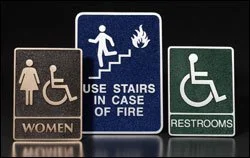
Where ADA Signage is Required
The ADA requires compliant signage in many areas of public and commercial buildings, including:
Room identification signs (e.g., restrooms, conference rooms, classrooms)
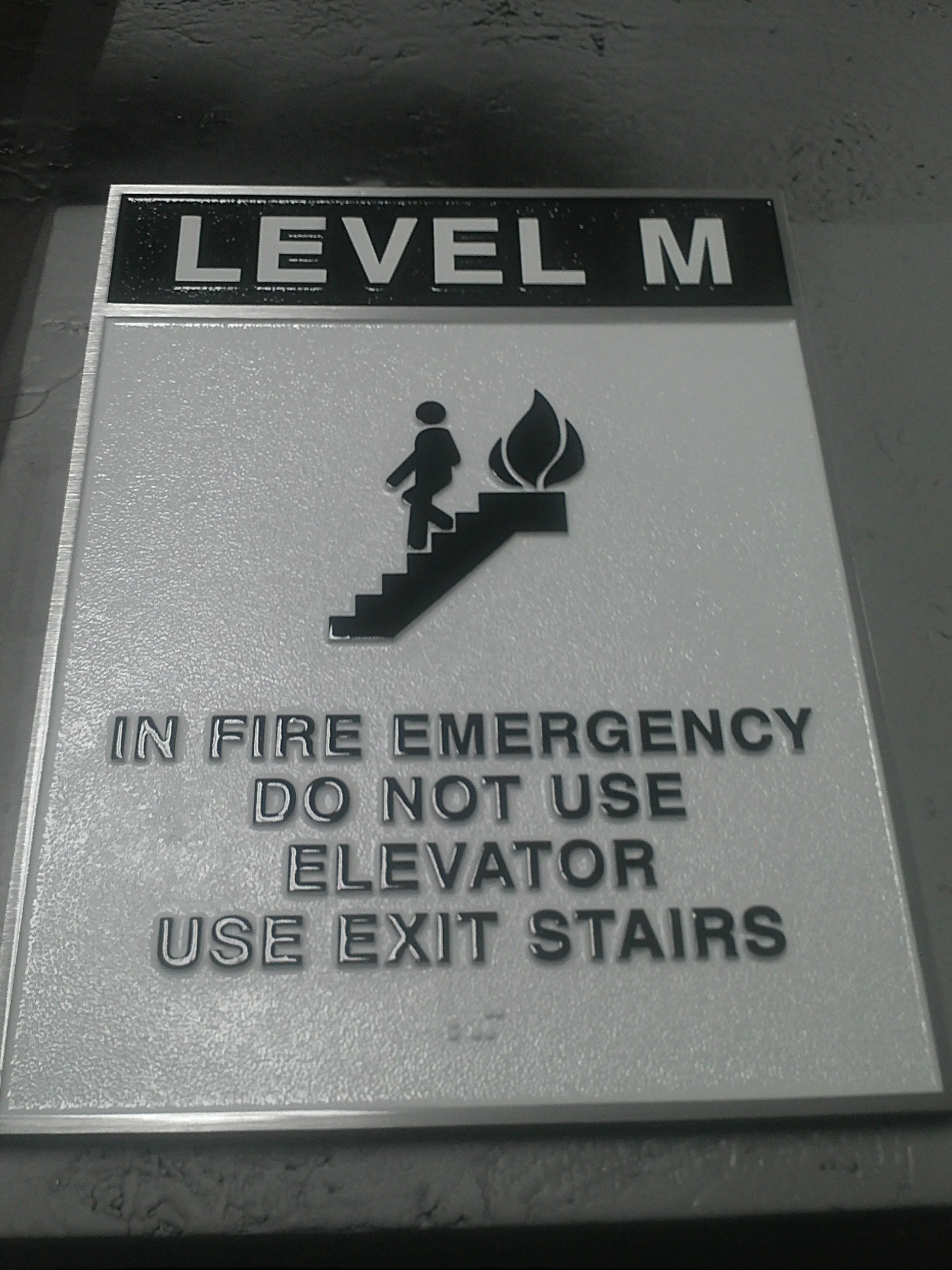
Permanent spaces like stairwells and exits
Directional signage to guide visitors through hallways, lobbies, and multi-level facilities
Informational signs, such as building directories or safety notices
Even if not explicitly mandated in every location, incorporating ADA signage throughout your space ensures accessibility for all visitors.
Blending Compliance with Aesthetics
A common misconception is that ADA signage must look generic or utilitarian. In reality, today’s design and manufacturing capabilities allow for highly customized signs that still meet legal standards.
For example:
A corporate office can use branded colors and materials for their ADA signs while maintaining proper contrast ratios.
A museum can incorporate brushed bronze or aluminum finishes to match its architectural style.
A school can choose clear, bold graphics that are both playful and easy to read.
When done right, ADA-compliant signs enhance your interior and exterior spaces rather than detract from them.
Directional Signage and Wayfinding
One of the most important functions of ADA signage is wayfinding — helping people move through a building efficiently and confidently. This is where directional signage comes into play.
Clear, consistent directional signs ensure that visitors know where they’re going, whether they’re navigating a hospital corridor, finding a conference room, or locating an emergency exit. Combining ADA requirements with strategic placement and consistent design creates a smooth experience for everyone.

Material Choices for ADA-Compliant Signs
Material selection plays a big role in the look and durability of ADA signage. Popular options include:
Aluminum: Lightweight, corrosion-resistant, and easy to customize.
Bronze: Offers a timeless, high-end feel and exceptional durability.
Acrylic: Allows for vibrant color and design flexibility while maintaining compliance.
High-quality materials also help maintain the integrity of your signs over time, ensuring that raised lettering, braille, and finishes remain intact and legible.
Lighting and Visibility
Proper lighting is essential for all signage, but especially for ADA signs. Well-lit signs increase visibility for people with low vision and ensure that important information is clear at all times.
Options include:
Backlighting for a modern, illuminated effect.
Spotlighting to draw attention to key wayfinding signs.
Ambient lighting that reduces glare while keeping text readable.
By pairing the right lighting method with strategic placement, you can make ADA-compliant signs both functional and visually appealing.
The Cost of Non-Compliance
Failing to provide proper ADA signage can lead to more than just poor user experience. Businesses may face legal consequences, including fines and potential lawsuits. More importantly, non-compliance sends the wrong message to visitors — that accessibility isn’t a priority.
Investing in compliant, high-quality signage shows your commitment to inclusion while protecting your organization from legal and reputational risks.
Partnering with Experts in ADA Signage
Designing and producing ADA-compliant signs requires specialized knowledge. Every detail — from braille placement to font size — matters. That’s why working with experienced signage manufacturers is so important.
At A.R.K. Ramos, we combine precision craftsmanship with deep knowledge of ADA regulations. Whether you need room identification plaques, directional signage, or a complete building wayfinding system, we can help create solutions that meet every standard without sacrificing style.
Making Accessibility a Design Feature
When integrated thoughtfully, ADA signage becomes more than a legal requirement — it’s a design feature that reflects your building’s character and your organization’s values. By blending accessible elements with your architectural style, you create spaces where everyone feels confident and welcome.
Contact A.R.K. Ramos to start your ADA signage project today, and follow us on Instagram and Facebook to see how our signs come to life from design to installation.