
ADA Signage Requirements Explained: A Guide for Architects and Building Owners
Accessibility is not an optional feature in modern buildings. It is an essential part of responsible design, user experience, and code-conscious construction. When people enter a facility, they should be able to identify rooms, navigate corridors, locate amenities, and move through the space with confidence. That is where ADA signage plays a critical role.
For architects, contractors, developers, facility managers, and property owners, signage decisions affect far more than appearance. The right signs help create inclusive environments, support compliance efforts, improve wayfinding, and reduce frustration for visitors, employees, students, patients, and customers.
Yet many projects still treat accessibility signage as a late-stage checklist item. That can lead to rushed decisions, missed details, inconsistent installation, or expensive corrections after occupancy. A better approach is to understand the purpose of ADA signage early and integrate it into the broader signage strategy from the beginning.
Whether you are planning a school, healthcare facility, office building, multifamily property, civic space, or commercial renovation, this guide will explain the fundamentals of ADA signage and how it connects with larger architectural signage systems and practical custom safety signs throughout the built environment.
At A.R.K. Ramos, signage is approached with craftsmanship, clarity, and real-world expertise—because accessible spaces deserve signage that works for everyone.
What Is ADA Signage?
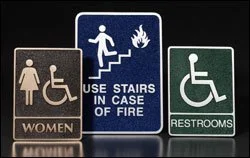
ADA signage refers to signs designed to support accessibility under standards associated with the Americans with Disabilities Act and related building code requirements. These signs help people with visual impairments, mobility limitations, and other accessibility needs navigate spaces more independently.
ADA-focused signs often include tactile characters, Braille, readable contrast, consistent placement, and clear identification of permanent rooms or features.
Common examples include:
Restroom signs
Exit route signs
Stairwell identification
Room numbers
Office names
Permanent room labels
Elevator signage
Accessible entrance signs
Directional accessibility signs
Emergency-related wayfinding signs
While exact requirements can vary by jurisdiction and application, the core purpose remains the same: making environments easier and safer to use.
Why ADA Signage Matters
Some people think of accessibility signage only in terms of legal compliance. While compliance is important, the real value goes deeper.
Well-designed ADA signage helps create spaces that are more inclusive, easier to navigate, and more welcoming to visitors. It can also reduce stress for first-time users, improve safety during emergencies, and support a more organized environment overall.
When signage is unclear or inaccessible, everyday tasks become more difficult. A visitor may struggle to find a restroom. A patient may feel anxious about locating a clinic suite. A student may lose time navigating an unfamiliar campus.
Accessible signage improves independence and dignity for the people using the space.
Who Needs ADA Signage?
Many building types require or benefit from accessibility signage. In practice, most public-facing and commercial environments should evaluate signage carefully during design and renovation.
Common project types include office buildings, schools and universities, healthcare facilities, hotels, apartments and multifamily properties, and government buildings. They are also widely used in retail centers, restaurants, industrial facilities with public areas, religious institutions, and community centers.
Even where only certain signs must meet specific standards, thoughtful accessibility planning improves the experience for everyone.
Core Elements of ADA Signage
Although project requirements vary, several principles appear repeatedly in effective ADA signage systems.
Tactile Characters
Raised letters or numbers allow users to identify spaces by touch.Braille
Braille supports users who read tactile dot systems for room and directional information.Readable Contrast
Strong contrast between text and background improves legibility for many users.Clear Typography
Simple, easy-to-read fonts generally perform better than decorative styles.Consistent Placement
Signs should be installed in predictable locations so users know where to look.Durable Construction
Signs should withstand cleaning, daily contact, and long-term use.
These details may seem small individually, but together they make spaces more usable.
ADA Signage vs General Signage
Not every sign in a building is an ADA sign. A complete property may include many sign types, each serving a different purpose.
This may include exterior branding signs, monument signs, lobby logos, promotional graphics, directional signs, temporary notices, regulatory signs, and room identification signs.
Some of these may need to meet accessibility standards. Others may not. That is why planning a coordinated system matters.
The strongest projects combine compliant ADA signage with cohesive architectural signage that supports branding, navigation, and aesthetics across the entire property.
Why Architects Should Plan ADA Signage Early
When signage is delayed until the end of a project, problems become more likely.
Early planning helps align:
Room schedules
Numbering systems
Interior finishes
Mounting surfaces
Material selections
Brand standards
Construction timelines
Good signage planning saves time later.
Late-stage planning can create issues such as:
Inconsistent room naming
Incorrect sign counts
Missed mounting locations
Design conflicts with finishes
Last-minute budget stress
Rework after inspection
Visual inconsistency across the property
Architects and design teams benefit when accessibility signage is considered early in schematic design, documentation, and finish coordination.
Why Building Owners Should Care Beyond Compliance
Owners often focus on signage near project closeout, but long-term operations matter just as much.
Quality ADA signage can support a better visitor experience, reduce wayfinding confusion, and help new staff get oriented more quickly. It can also improve tenant satisfaction, simplify facility management, reduce the need for replacements over time, and contribute to a more professional environment overall.
Accessible spaces are easier to operate and more welcoming to the public.
ADA Signage and Architectural Signage Working Together
Some teams mistakenly separate compliance signage from design signage as if they cannot work together. In reality, both should complement each other.
Architectural signage refers to signage integrated thoughtfully into the built environment through material choices, scale, finish quality, and visual consistency.
That means ADA signs do not need to feel like an afterthought. They can be produced in ways that align with the project’s broader design language while still meeting functional requirements.
Examples include:
Brushed metal room signs in modern offices
Durable etched signs in healthcare facilities
Elegant wayfinding systems on campuses
Consistent signage packages in hospitality environments
Coordinated room IDs and directories in multifamily projects
When accessibility and design work together, the result feels intentional and professional.
Common ADA Signage Mistakes to Avoid
Even strong projects can run into preventable signage issues.
Avoid these common mistakes:
Waiting until late construction stages
Using decorative fonts that reduce readability
Inconsistent room naming or numbering
Poor contrast between text and background
Incorrect installation heights or locations
Low-durability materials in high-touch areas
Mixing sign styles across the property
Ordering signs without field verification
Treating accessibility signs as temporary placeholders
A proactive approach prevents expensive corrections later.
Where Custom Safety Signs Fit In
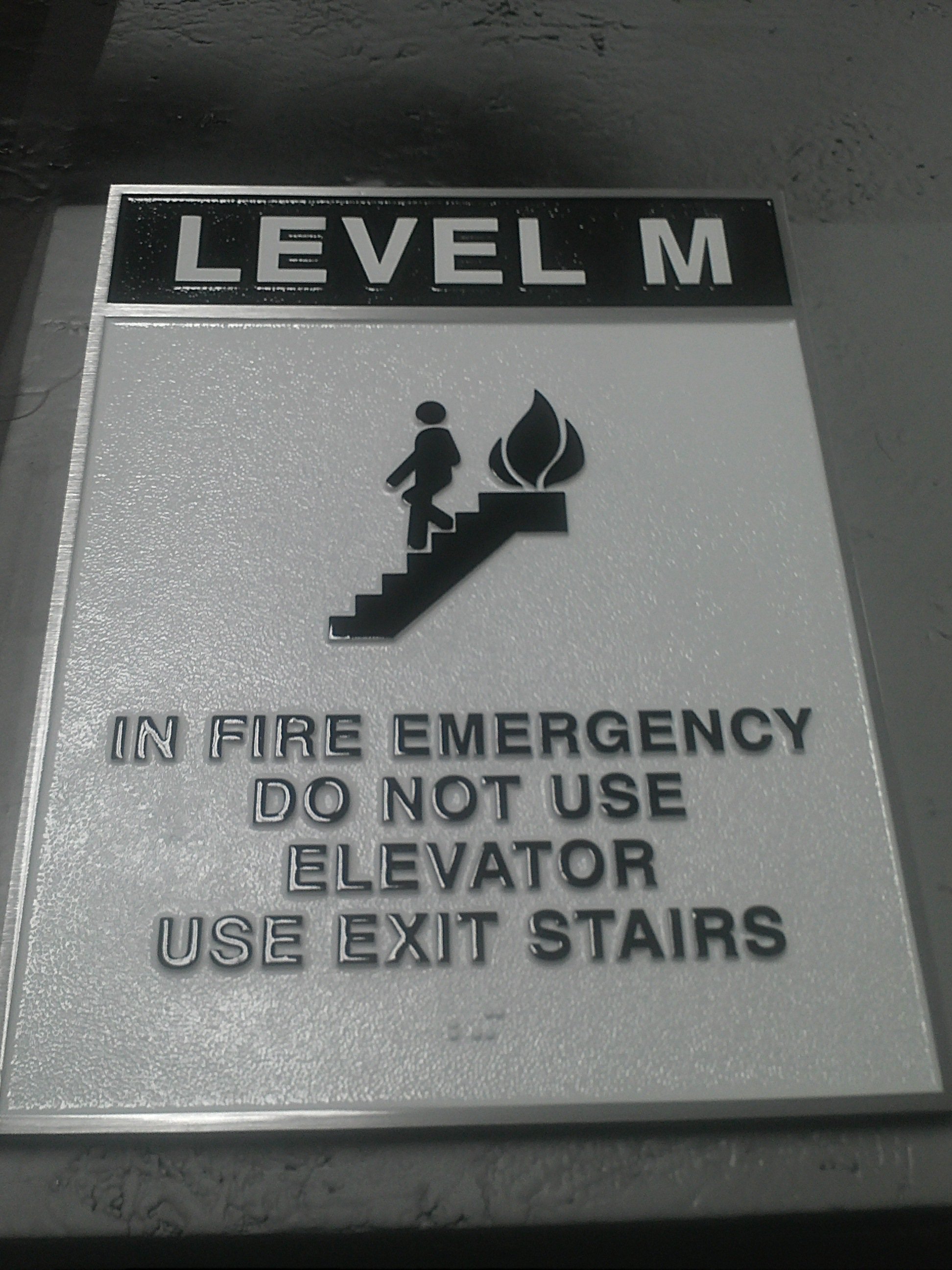
Buildings also require signs related to safety, warnings, emergency procedures, and operational guidance. These may or may not fall under the same accessibility standards depending on use, placement, and permanence.
Examples of custom safety signs include:
Authorized personnel only signs
PPE requirement signs
Fire equipment labels
Hazard warnings
Emergency assembly point signs
Evacuation route maps
Equipment operation notices
Restricted access signs
For owners and facility teams, combining ADA planning with broader safety communication creates a more functional environment overall.
Renovation Projects Need Special Attention
Existing buildings often present unique signage challenges.
Common renovation issues include outdated room names, missing tactile signage, and inconsistent numbering from past remodels. Spaces may also have worn or damaged signs, added rooms without updated systems, or mixed branding from multiple eras.
In these cases, upgrading ADA signage can improve both compliance readiness and user experience while refreshing the building overall.
Material Options for ADA Signage
Different environments call for different materials. A qualified signage partner can help match materials to the use conditions.
Common options include acrylic, aluminum, stainless steel, laminates, photopolymer systems, etched metal solutions, and high-durability composites.
The right choice depends on traffic level, cleaning needs, design goals, and budget.
Questions to Ask Before Ordering ADA Signage
Before fabrication begins, ask these practical questions.
-
Accurate room lists reduce reorders and omissions.
-
Late numbering changes can affect the entire sign package.
-
ADA signs can still align with interior design goals.
-
Field coordination matters.
-
Planning for growth can improve consistency later.
-
Wayfinding, branding, and custom safety signs often benefit from unified planning.
Why Professional Guidance Matters
Accessibility signage involves more than ordering plaques with Braille. It requires coordination, durability, usability, and consistency across the entire property.
A knowledgeable partner can help you organize sign schedules, recommend durable materials, and coordinate design consistency across your property. They can also support code-conscious planning, reduce ordering mistakes, improve long-term usability, and deliver professional finished results.
That guidance is valuable for both new construction and renovations.
Why A.R.K. Ramos Is a Trusted Signage Partner
A.R.K. Ramos has helped architects, contractors, institutions, and property owners create signage systems built for real-world performance. Their team understands the balance between accessibility, durability, aesthetics, and project timelines.
Capabilities include:
ADA signage systems
Room identification signs
Wayfinding solutions
Etched and fabricated signage
Custom architectural signage
Durable custom safety signs
Precision manufacturing
Project support from concept to completion
Every project is approached with craftsmanship, clear communication, and respect for the people who will use the space every day.
Accessibility Is Good Design
The best buildings do more than look impressive. They function well for everyone who enters them.
That is why ADA signage should never be treated as a minor requirement. It is part of how people experience dignity, independence, safety, and confidence in a space.
When planned thoughtfully, accessibility signage strengthens the entire project.

Make Accessibility Part of the Plan
If you are planning a new build, renovation, or facility upgrade, accessibility signage can feel like one more critical detail to manage. You do not have to sort through it alone.
A.R.K. Ramos is here to help you create ADA signage solutions that are functional, durable, and aligned with your project goals.