
Architectural Signage: Designing Timeless Signs that Define Your Space
When people step into a building, their first impressions are shaped not only by the architecture and décor but also by the architectural signage that guides, informs, and inspires them.
Architectural signage is more than a label on a wall — it’s a powerful design element that connects people to the space around them. Whether for a corporate headquarters, government facility, school campus, or retail complex, well-crafted signage communicates identity, supports navigation, and stands the test of time.
In this article, we’ll explore what makes architectural signage unique, the key considerations in its design, and how to create signs that remain both functional and visually compelling for decades.
What Is Architectural Signage?
At its core, architectural signage refers to custom-designed signs that integrate seamlessly with the overall style and structure of a building. Unlike temporary or off-the-shelf signs, architectural signage is intentional — it’s designed to complement architectural features, enhance brand presence, and serve the practical purpose of wayfinding.
From building signage that greets visitors at the entrance to interior wayfinding systems that guide people through large facilities, architectural signage covers a broad range of applications. Each sign is a balance between aesthetics and utility, designed to look as if it belongs to the building rather than being an afterthought.
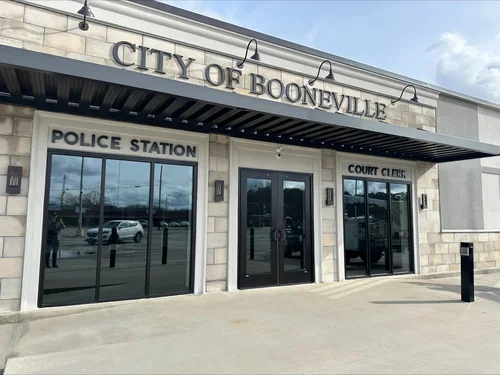


The Role of Materials in Longevity and Design
Selecting the right materials is critical to ensuring your signage endures. Metals like bronze, aluminum, and stainless steel are popular for architectural signage because they offer exceptional durability and weather resistance while maintaining a refined appearance.
Bronze plaques convey a sense of tradition and permanence — ideal for universities, historical buildings, and government facilities. Aluminum offers a sleek, modern look and works well for contemporary office complexes. Stainless steel, with its corrosion resistance, is perfect for coastal or industrial environments.
The finish also matters: brushed, polished, or painted surfaces can completely change the character of the sign. When properly chosen, materials and finishes don’t just survive the elements — they enhance the building’s identity over time.
Integrating Brand Identity into Building Signage
Every sign is a reflection of the organization it represents. That’s why custom signs for business are more than just functional markers; they’re brand statements.
Logos, typefaces, and color schemes should be incorporated with precision so that signage reinforces the visual language of the brand. In corporate spaces, this might mean bold lettering in the company’s signature colors. In public buildings, such as libraries or museums, the design might lean toward understated elegance to match the environment.
An effective architectural signage plan ensures consistency across all types of building signage — from exterior identification signs to interior directional markers. This cohesion builds trust, strengthens recognition, and elevates the perception of the organization.
Functionality: More Than Looks

While visual impact is important, functionality is the heart of architectural signage. This means considering:
Visibility: Proper size, contrast, and lighting ensure signs are legible from the right distances.
Placement: Strategic locations guide visitors without confusion.
Compliance: ADA-compliant features, such as braille and tactile lettering, make spaces accessible to all.
Wayfinding systems are an integral part of this functionality. In large campuses, multi-building facilities, or sprawling government complexes, clear directional signs are essential. Architectural signage must help people move through spaces intuitively while maintaining design harmony.
Custom Signs for Business: Tailored to Your Needs
No two businesses have identical signage needs. That’s why custom signs for business are designed with specific goals, audiences, and environments in mind.
For example:
Corporate offices may prioritize sleek, modern identification signage to project professionalism.
Educational institutions often use durable, classic designs to reflect tradition and credibility.
Retail environments benefit from eye-catching designs that invite engagement and drive foot traffic.
Custom design also allows for scalability. As your organization grows or rebrands, your architectural signage plan can be updated or expanded while keeping the overall style consistent.
Custom Plaques for Every Industry
Over the years, we’ve partnered with clients across every sector:
Government Agencies use our plaques for official seals, facility markers, and ADA compliance.
Educational Institutions trust us for donor recognition walls, historic campus signage, and room ID systems.
Corporate Offices integrate custom branding into lobbies, conference rooms, and exterior signs.
Architects & Designers specify us on Division 10 signage packages where performance and aesthetics must align.
Parks & Public Spaces rely on our plaques for interpretive signage, memorials, and wayfinding.
Each project is unique — and each plaque reflects its story, space, and audience.
Lighting and Illumination Options
Lighting transforms signage from functional to exceptional. Backlit letters, halo lighting, or subtle landscape illumination can make signs stand out at night and in low-light conditions.
For exterior building signage, lighting is especially critical for visibility and safety. For interior environments, integrated lighting can add sophistication while highlighting architectural details. Choosing the right illumination method ensures your signage works around the clock without sacrificing aesthetics.
Sustainability in Signage
Sustainability is becoming a priority in architectural design, and signage is no exception. Environmentally conscious choices — such as recycled metals, low-VOC paints, and energy-efficient LED lighting — reduce environmental impact while maintaining the quality and durability clients expect.
By pairing sustainable practices with expert craftsmanship, architectural signage can meet modern environmental standards without compromising design integrity.

Why the Right Partner Matters
The success of any signage project comes down to execution. Partnering with a trusted foundry ensures that every detail — from casting and fabrication to finishing and installation — meets the highest standards. Experienced foundries, like A.R.K. Ramos, combine traditional craftsmanship with modern precision to produce signs that exceed expectations in both form and function.
With decades of experience in architectural signage, we understand that every project is unique. Our team works closely with architects, contractors, and business owners to create signage solutions that define spaces, communicate identity, and endure for generations.
Building Signage as a Long-Term Investment
Architectural signage is more than a design accessory — it’s an integral part of how people experience a building. When thoughtfully planned and expertly crafted, it can embody the character of a space, guide visitors with ease, and stand as a testament to quality for years to come.
Whether you need exterior building signage that commands attention or custom signs for business that reflect your brand, investing in well-designed architectural signage is an investment in your building’s identity and legacy.
Contact A.R.K. Ramos to get to work on your signage needs! Also, follow us on Instagram and Facebook to see the behind-the-scenes of how our signage comes to life.