
Channel Letters vs Flat Signage: Which Is Best for You?
When customers approach your building, they begin forming opinions before they ever speak to your team. They notice the exterior, the property's cleanliness, the professionalism of the entrance, and the sign that represents your brand. That single moment matters more than many businesses realize. A sign is not just a marker—it is a daily ambassador for your company.
That is why choosing between channel letters and flat signage deserves careful thought. Both options can be effective. Both can be attractive. Both can help customers find you and remember your business. But they solve different problems and create different impressions.
For some companies, illuminated dimensional lettering delivers the visibility and presence needed to compete in busy commercial areas. For others, sleek panel signage offers a clean, practical, and efficient solution that fits the property perfectly. The best choice depends on your goals, building style, audience, budget, and long-term plans.
If you are evaluating signage for a storefront, office complex, healthcare facility, school, industrial property, or mixed-use development, this guide will help you understand the strengths of each option. Whether you are comparing solutions for durable metal signage or planning professional building signage that reflects your brand, the right decision starts with the right information.
At A.R.K. Ramos, signage is approached with craftsmanship, clarity, and real-world expertise—because a sign should do more than look impressive. It should perform for years to come.
Why the Right Sign Matters
Many businesses underestimate the role signage plays in growth and customer experience. Your sign works constantly, even when your doors are closed.
Effective signage can help you:
Increase visibility from roads and parking areas
Reinforce trust through professional presentation
Support brand recognition
Help visitors navigate the property
Differentiate your business from nearby competitors
Improve the appearance of the building itself
When signage is weak, outdated, difficult to read, or poorly placed, opportunities are lost. Potential customers may drive past without noticing you. Visitors may feel confused. A polished business may appear less established than it truly is.
That is why the debate between channel letters and flat signage is worth exploring carefully.
What Are Channel Letters?
Channel letters are individually fabricated three-dimensional letters, numbers, or logos mounted to a building façade or support structure. Each character is built separately rather than printed on a single panel.
They are especially popular for retail centers, restaurants, corporate offices, and highly visible commercial properties because they offer depth, presence, and strong brand impact.
Most channel letters are manufactured using aluminum bodies and acrylic faces, though custom finishes and specialty materials are available.
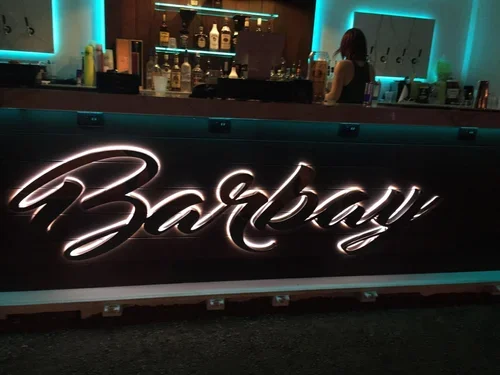
Common styles include:
Front-lit channel letters
Halo-lit (reverse-lit) letters
Combination-lit letters
Open-face letters
Non-illuminated dimensional letters
Because each letter has physical depth, channel letters create shadows and visual contrast even during the day. If illuminated, they continue working after dark.
What Is Flat Signage?
Flat signage generally refers to signs built on a single panel, plaque, or surface rather than individual dimensional letters. These signs may still be premium, durable, and attractive—they simply rely on a different construction style.
Examples of flat signage include:
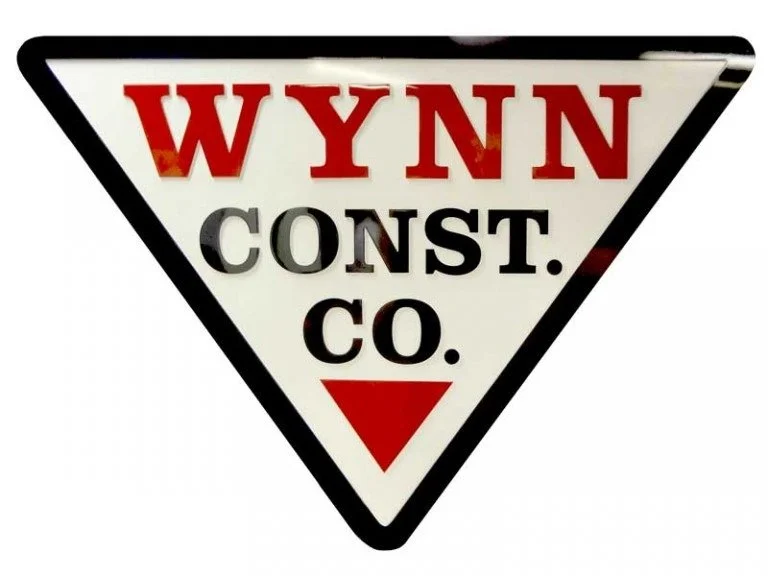
Aluminum composite panels
Routed sign faces
Printed wall panels
Engraved plaques
Directional signs
Directory boards
Exterior wall signs
Tenant panels
Flat signage is often chosen for its versatility, clean presentation, and cost efficiency. It can also be an excellent complement to dimensional signage in larger systems.
Flat Signage: Key Advantages
Flat signage remains one of the smartest solutions for many businesses because it efficiently addresses practical needs.
1. Cost-Effective Branding
Depending on size and materials, flat signage can be more economical than individually fabricated letters. This can be valuable for organizations managing multiple locations or broader signage packages.
2. Clean and Professional Style
Not every brand needs dramatic dimensional lettering. Some organizations prefer a more understated and minimalist appearance.
Flat signage can feel sophisticated, modern, and highly professional when designed well.
3. Easier Updates
If tenant names, departments, branding, or room uses are likely to change, panel systems can be easier to replace or revise.
This is especially useful in office buildings, multi-tenant properties, healthcare campuses, educational facilities, and business parks.
4. Strong Functional Use Cases
Flat signage is especially effective for directional systems, informational displays, room identification, compliance signage, directories, and temporary messaging.
Many businesses use flat signs every day without realizing how essential they are.
Channel Letters: Key Advantages
For many businesses, channel letters are the preferred option because they deliver a strong visual presence.
1. Superior Visibility
Because they are raised from the wall, channel letters naturally catch light and create dimension. This makes them easier to notice than flat surfaces, especially from a distance.
If illuminated, visibility improves even more in the evening or during cloudy weather.
Businesses in shopping centers, roadside locations, entertainment districts, and high-traffic commercial areas often benefit from this added impact.
2. Premium Appearance
Dimensional signage tends to feel more established and refined. Many customers associate polished exterior branding with professionalism and trust.
If your brand depends on a strong first impression, channel letters can help communicate quality before a customer walks inside.
3. Excellent Customization
Channel letters can be customized in nearly every detail:
Channel letters can be customized in size, typeface, color, illumination style, mounting method, metal finish, and logo shape, allowing businesses to create signage that feels uniquely their own.
4. Long-Term Performance
When manufactured correctly and installed properly, quality channel letters can perform reliably for years.
Channel Letters vs Flat Signage: Visibility Comparison
If your highest priority is being seen quickly and clearly, channel letters often have the advantage.
Their depth and optional lighting help them stand out in busy retail corridors, shopping centers, roadsides, large parking lots, dense commercial districts, and evening traffic environments.
Flat signs can still be effective, particularly with strong contrast, large text, and strategic placement. But they typically rely more on graphic design and location than dimensional construction.
For businesses competing for attention, channel letters are often worth the investment.
Channel Letters vs Flat Signage: Design Comparison
Aesthetics matter because signage becomes part of the building's architecture.
Choose Flat Signage If You Want:
Clean minimal design
Simple professional communication
Flexible panel systems
Lower visual profile
Efficient multi-sign coordination
Choose Channel Letters If You Want:
Bold exterior branding
High visibility day and night
Dimensional architectural interest
Modern illuminated presence
Strong storefront identity
The better choice depends on the message your brand wants to send.
Why Metal Signage Matters
Whether you choose dimensional letters or flat panels, material quality plays a major role in long-term performance. That is why metal signage remains one of the most trusted choices in commercial environments.
Metal components offer strength, weather resistance, long service life, structural stability, finish versatility, and a premium appearance that holds up in demanding commercial environments.
Examples of metal signage solutions include:
Aluminum channel letters
Stainless steel letters
Bronze plaques
Powder-coated panels
Engraved aluminum signs
Precision-cut metal logos
For exterior use, lower-grade materials may save money initially but require earlier replacement. Quality metal signage often delivers better value over time.
Building Signage by Property Type
Different buildings have different signage needs. The best solution should match how the space functions.
Educational Campuses
Schools and universities often combine monuments, plaques, directories, and branded building signs across multiple structures.
Industrial Properties
Warehouses and industrial campuses often prioritize durable building signage that is highly legible and low-maintenance.
Hospitality Venues
Hotels, event centers, and entertainment venues often rely on a mix of bold branding and functional guest navigation signage.
Retail Storefronts
Retail locations often benefit most from channel letters because visibility directly affects walk-in traffic.
Corporate Offices
Office properties may use dimensional exterior branding combined with flat interior directories and room signs.
Healthcare Facilities
Hospitals and clinics usually need both visible exterior identity signs and extensive interior wayfinding systems.
Why Many Businesses Choose Both
The decision is not always one or the other. In many cases, the best answer is a strategic combination.
For example, a project may use channel letters for exterior branding, flat signage for parking and directional systems, dimensional lettering for lobby branding, and panel systems for directories and room identification.
This layered approach balances visibility, usability, and budget.
Questions to Ask Before You Decide
Before ordering new signage, ask these questions.
-
Long-distance visibility may favor channel letters.
-
Illumination can make channel letters especially effective.
-
Brand presence may favor dimensional signs. Functional communication may favor a flat system.
-
If frequent updates are likely, flat panel systems may offer more flexibility.
-
Your building style should influence the final decision.
-
Weather exposure should guide material selection and finish choices.
Common Mistakes to Avoid
Whichever path you choose, there are a few common issues worth avoiding.
Focusing only on upfront price can lead to compromises in quality, while ignoring visibility after sunset may limit how effective your signage is.
Using low-grade outdoor materials, choosing the wrong size, or overlooking local regulations can all create problems down the line. Delays often happen when signage is pushed too late in the construction process, and failing to plan for maintenance can shorten its lifespan.
Treating signage as purely decorative, rather than functional, is another mistake that can impact long-term performance.
Finally, thoughtful planning usually costs less than correcting avoidable mistakes later.
Why A.R.K. Ramos Is a Trusted Partner
A.R.K. Ramos has helped businesses, architects, contractors, and institutions create signage that balances beauty, durability, and function. Their team understands that every project has different priorities—visibility, budget, schedule, branding, or long-term performance.
Capabilities include:
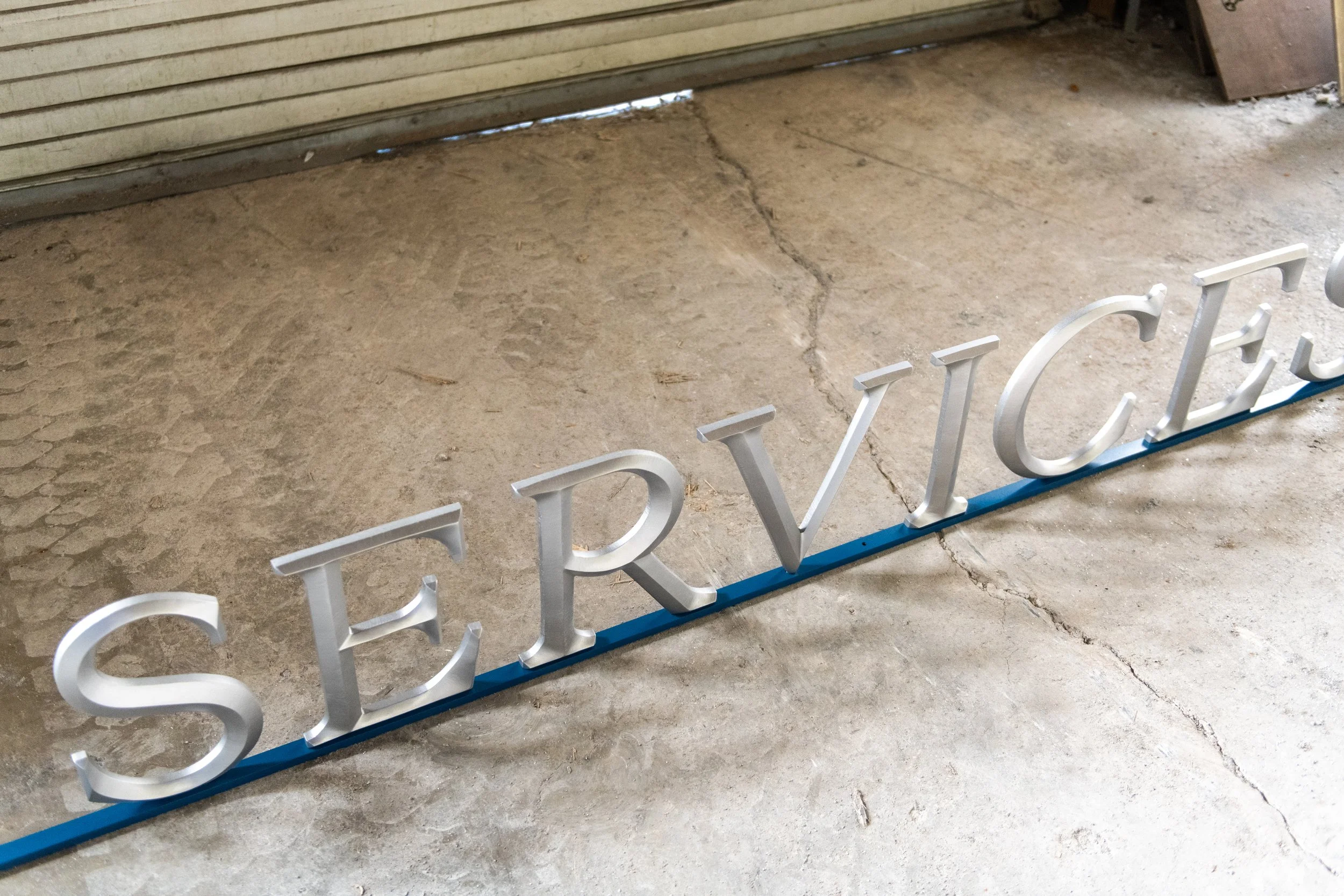
Channel letters
Reverse channel letters
Precision-cut lettering
Cast plaques
Etched signage
ADA signage
Custom metal signage
Professional building signage systems
Most importantly, they work as a partner—helping clients make confident decisions rather than pushing one-size-fits-all solutions.
Final Verdict: Which Is Best for You?
If your priority is strong visibility, premium presence, and standout branding, channel letters are often the best fit.
If your priorities are clear communication, versatility, efficient updates, and practical system signage, flat signage may be the smarter choice.
For many organizations, the strongest solution includes both.
The right sign is not the trendiest option or the cheapest option. It is the one that fits your building, serves your audience, and supports your business goals every day.
The Right Sign Starts with the Right Choice

Choosing signage can feel like one more important decision on an already full list. You should not have to navigate it alone.
If you are planning a new location, renovation, rebrand, or facility upgrade, A.R.K. Ramos is here to help you compare options and choose with confidence.
Reach out today for expert guidance or a custom quote built around your needs.