
Restoring Plaques: How A.R.K. Ramos Preserves Historic Metal Signage
Restoring plaques is about more than just cleaning up old metal—it’s about protecting stories, honoring legacies, and respecting original craftsmanship. Whether commemorating donors, dignitaries, or historical moments, these signs were made to last. But time, weather, and human error often take their toll.
At A.R.K. Ramos, we’re trusted nationwide for restoring plaques that have become tarnished, damaged, or worn. From small civic markers to large dedication walls, our foundry combines expert techniques with a preservation mindset—ensuring every restored piece reflects its original strength and significance.
If you're managing aging signage on behalf of a government institution, university, or historic site, here’s what you need to know about restoring cast plaques with confidence.
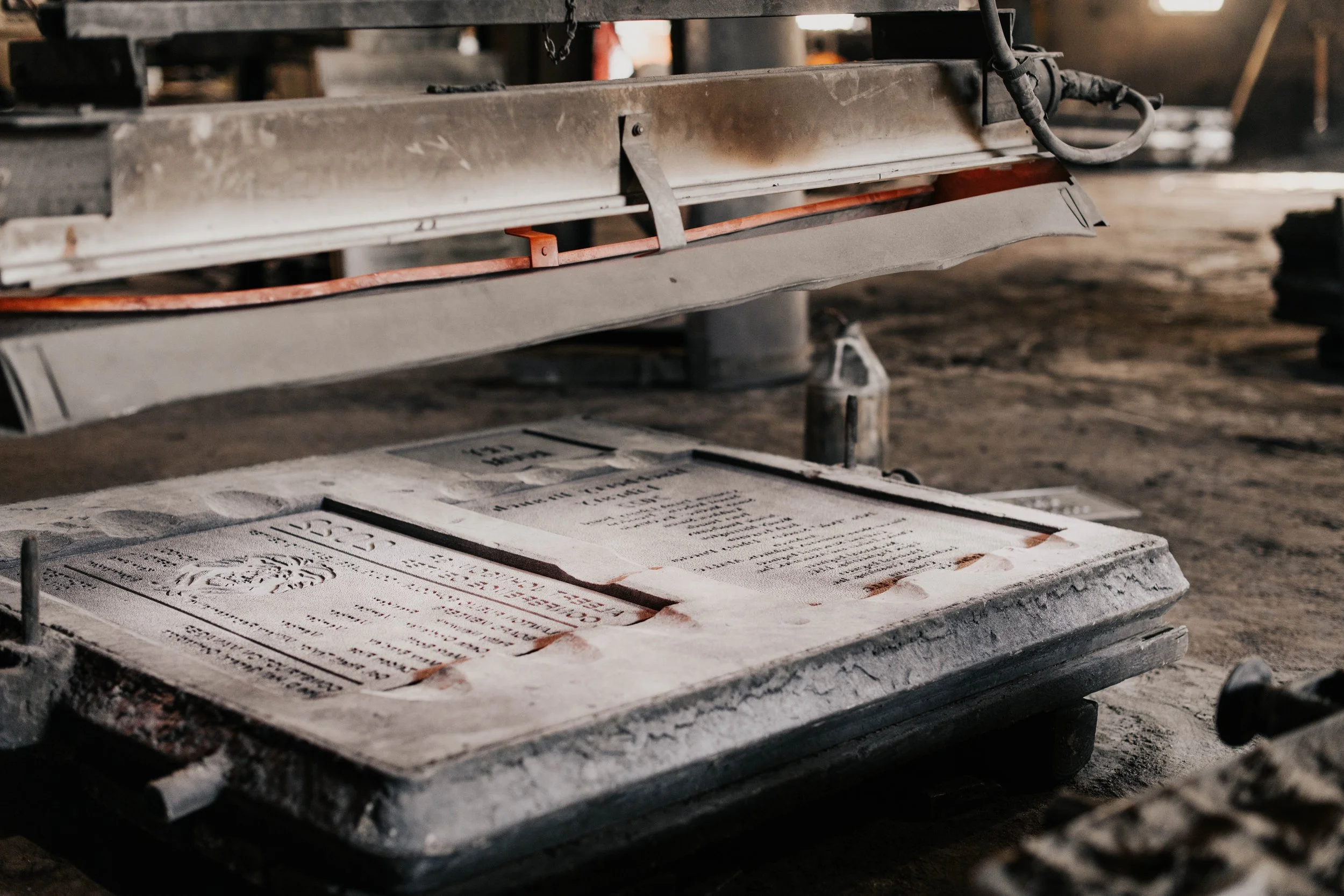
Why Restoring Plaques Is Better Than Replacing Them
The architectural signage you’re responsible for may have:
Historical or artistic value tied to its original casting
Custom fonts, seals, or reliefs no longer in production
Sentimental or ceremonial importance to the community
A role in ADA or wayfinding compliance that still needs to be met
By restoring plaques rather than replacing them, you preserve these elements while extending the life of high-value signage. You also eliminate the risks of modern mismatches—ensuring any restored signage continues to blend with surrounding materials, finishes, and historical accuracy.
We often restore plaques suffering from:
Surface oxidation or patina loss, especially with bronze plaques
Corrosion or pitting, particularly in coastal or high-salt environments
Illegible text or damaged bas-relief graphics
Mounting hardware failure or warping due to expansion/contraction
Outdated lettering or incorrect prior repairs
Graffiti or vandalism on outdoor installations
Whether minor or severe, these issues degrade the visibility and dignity of the plaque—and can signal neglect if left unaddressed. That’s where our restoration process begins.
Our Step-by-Step Process for Restoring Plaques
1. Visual and Material Assessment
Our team reviews photos and dimensions or inspects the plaque onsite. We determine metal type (usually bronze, aluminum, or brass) and note any damage to finish, structure, or mounting.
We also examine:
Lettering depth and detail
Framing and mounting surface
Environmental exposure (e.g. direct sun, freeze/thaw)
2. Project Scope and Quote
We provide a detailed quote outlining:
Cleaning and surface prep techniques
Re-etching or engraving for damaged or faded text
Reframing or mounting upgrades, if needed
New patina, finishing, or coating options
Timeline and shipping options
You’ll have a clear restoration roadmap—nothing vague, no surprises.
3. Cleaning and Surface Prep
Depending on condition, we clean using:
Chemical treatments that remove oxidation without damaging fine detail
Media blasting with gentle abrasives for heavy corrosion
Hand brushing and polishing, especially for intricate bronze plaques
We do not use aggressive grinding unless structurally necessary—our priority is preserving original craftsmanship.
4. Structural and Lettering Repairs
If lettering or imagery is worn, we restore clarity by:
CNC engraving or re-etching
Hand-finishing where detail demands precision
Casting missing elements, if parts are lost
This step also includes fixing cracks, reshaping warped pieces, and replacing rusted mounting pins.
5. Finishing and Protective Coating
We match original finishes or apply new ones based on your preferences. Options include:
Traditional bronze patinas (light to dark oxide)
Satin or brushed finishes
Clear sealants or waxes
UV-resistant coatings for exterior display
This helps maintain color, texture, and shine—even in tough climates.
6. Reinstallation Support
We ship fully protected and include updated:
Mounting hardware
Drill templates or backplates
Installation guides tailored to surface type
If needed, we advise your installer or GC on placement, sealing, or ADA mounting height compliance.
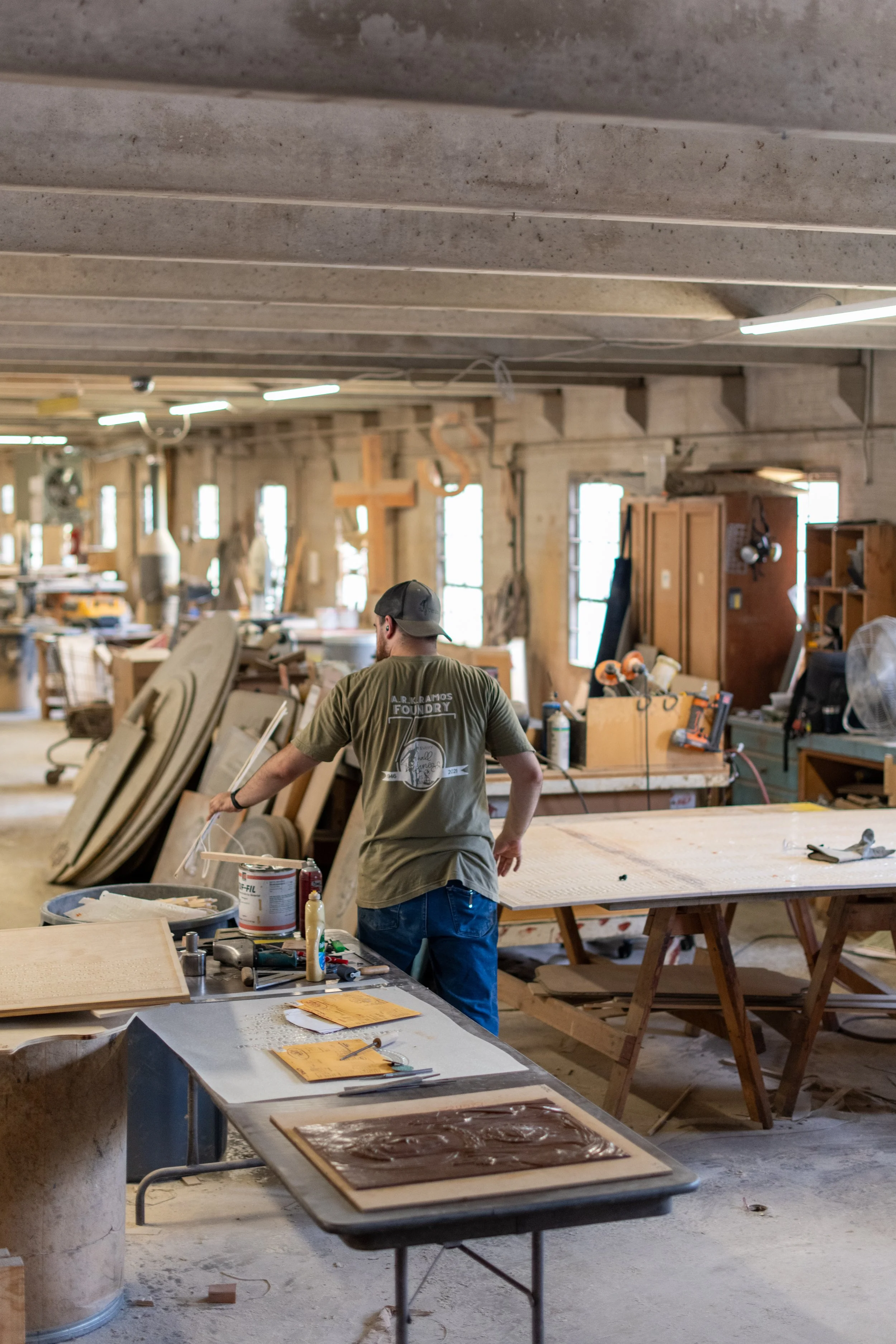
Where We’ve Worked: Real Restoration Stories
Institutions across the country rely on A.R.K. Ramos for restoring plaques on:
University campuses, including dorms, libraries, and donor halls
Government buildings, such as city halls and courthouses
Veterans and military memorials, often with intricate cast metals and seals
Parks and public spaces, where outdoor exposure is constant
Religious institutions, restoring dedication and cornerstone markers
Each restored plaque contributes to a broader story—preserving heritage while maintaining architectural integrity. Take a look at one of our most treasured restoration projects!
Why A.R.K. Ramos Is Trusted for Restoring Plaques
We aren’t a basic sign shop. We are an American architectural foundry that specializes in both new signage and legacy signage restoration.
What you get with us:
✔ Materials expertise: We work daily with cast metals, so we know what each plaque needs.
✔ Historic accuracy: We replicate fonts, textures, and layouts exactly.
✔ Efficient turnaround: We restore most plaques in weeks—not months.
✔ Clear documentation: You get a full restoration report for your records.
✔ Post-installation support: From touch-up to expansion, we stay involved.
Many clients have reused our services across campuses, cities, and building portfolios. We understand the long game of architectural signage management.
Planning Your Plaque Restoration Project
Before restoring plaques, make sure to:
Take detailed, well-lit photos
Note the original installation year (if known)
Record dimensions and mounting method
Consider adding new names, text, or donors as part of the update
Preserve any broken or removed pieces—they can help us match finishes
Our team will walk you through the rest—from quote to return shipping.
Let’s Restore Your Legacy Signage
Restoring plaques helps maintain your organization’s history, elevate public perception, and avoid expensive replacements. At A.R.K. Ramos, we make the process simple—and the results timeless.
Also, stay connected with us on Instagram and Facebook to see more about our work.